A sweater vest is the kind of piece that can look sharp in five minutes or oddly costume-y in two. The difference is not a secret rule. It is proportion, a strong base layer, and knowing when the vest gets to be the main character.
The good news is that a sweater vest already does a lot of work. It brings texture, color, and a little structure without the commitment of a full sweater. Whether yours is preppy, cropped, oversized, cable-knit, or found secondhand, these outfit formulas make it feel current without making you look like you borrowed a school uniform.
Start with the fit, not the outfit
Before you build around a sweater vest, look at where it lands. A cropped vest works beautifully with high-rise denim or a skirt because it gives the waist a clear place to appear. A longer vest has an easier time with slim or straight bottoms, a mini, or a visible shirt hem beneath it. An oversized vest needs one point of definition: a fitted sleeve, a narrow shoe, a waistline, or a cleaner bottom half.
Do a quick mirror check from a few steps back. If the vest is wide, long, and layered over something equally wide and long, the outfit can lose shape. That does not mean every look needs to be fitted. It means the eye needs a path. A rolled sleeve, a partial tuck, or an ankle showing above a boot is often enough.
1. Pair it with a tee and straight-leg denim
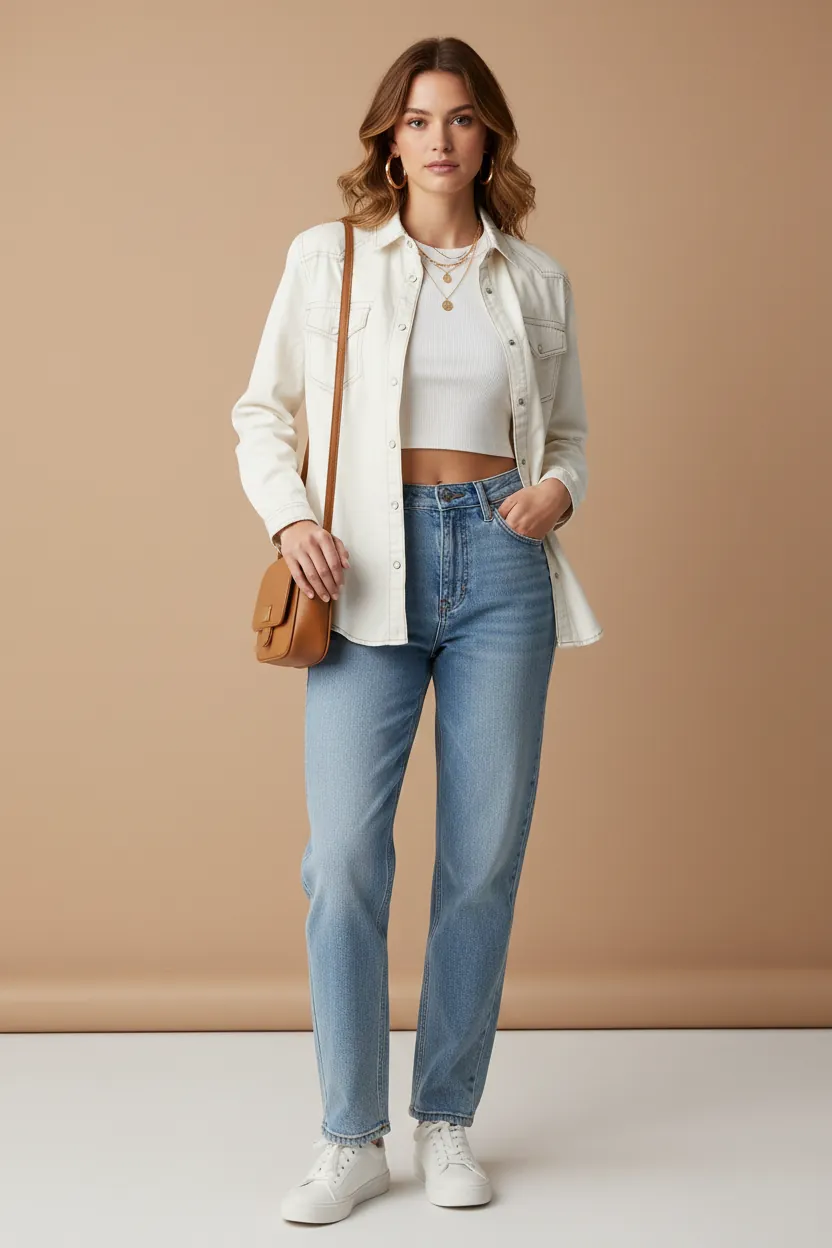
This is the easiest formula when you want the vest to feel relaxed rather than academic. Start with a fitted or lightly shrunken tee, add the vest, then wear straight-leg jeans that meet the shoe cleanly. The tee keeps the look easy. The denim gives the knit somewhere casual to land. A low-profile sneaker, loafer, or ankle boot keeps the finish intentional.
Keep the colors simple if your vest has texture or pattern. A cream, black, gray, navy, or faded denim base lets the knit carry the visual interest. If the vest is neutral, use the tee or shoe for a small hit of color. This formula is particularly good for a vest that feels a little too precious on the hanger, because regular denim brings it back to real life.
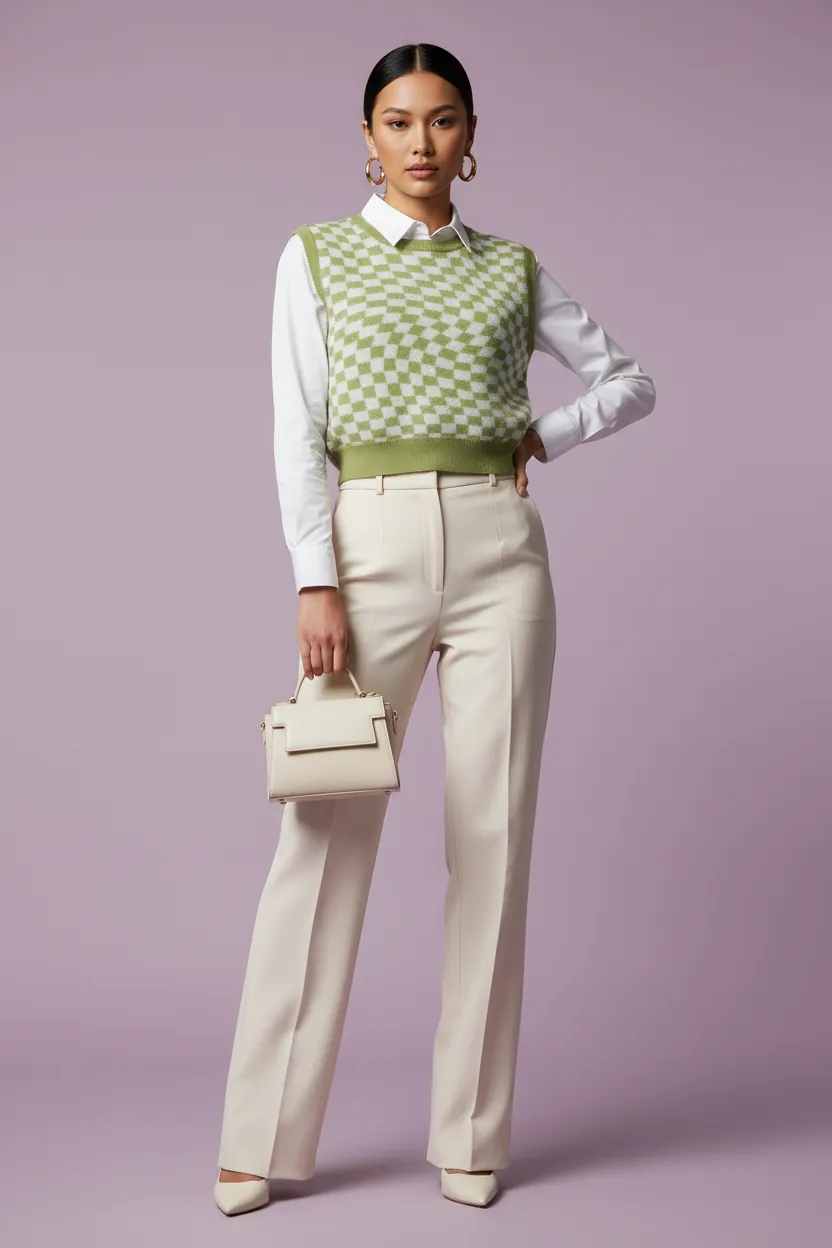
2. Layer it over a button-down, then edit the details
A button-down under a sweater vest can be polished, but the details decide whether it feels fresh. Choose a shirt with enough structure to hold its collar and cuffs, then avoid fussing with every inch of it. Let the collar sit naturally, roll the sleeves once if that suits the shape, and decide whether the shirt hem should be tucked, visible, or partly tucked before you leave.
For a cleaner version, pair the layers with wide-leg trousers or dark straight jeans. For more edge, try a mini skirt and boot. The point is contrast: a classic top half becomes more modern beside a bottom that has a different attitude. A white denim layer is also a smart substitute when you want the same crisp effect without a full collar.
3. Let a skirt change the whole mood
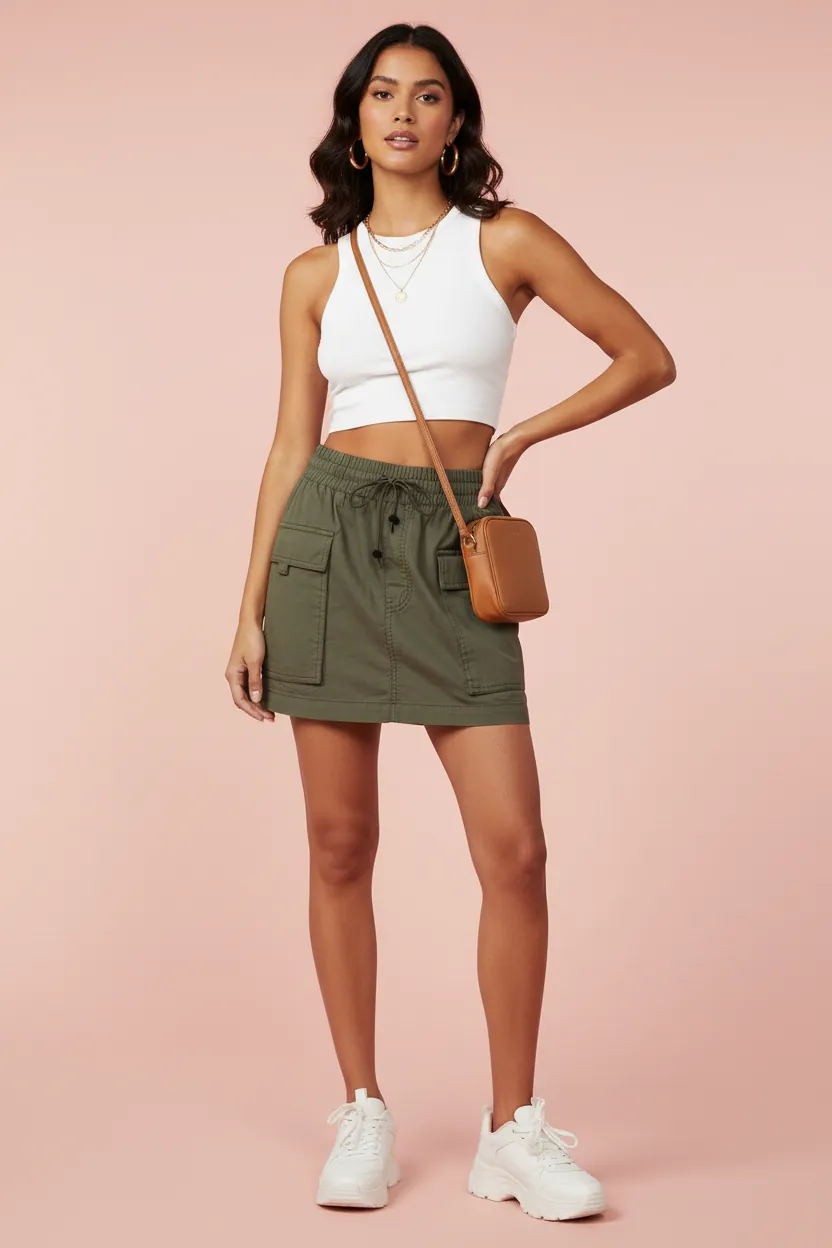
With a skirt, the sweater vest stops reading as a school reference and starts reading as styling. A cargo mini makes a soft knit feel cooler. A slip or bias-cut skirt adds contrast to a chunky vest. A pleated skirt leans classic, while a denim skirt keeps the look casual. The key is to choose one direction and commit to it instead of adding every possible preppy detail.
If the vest is loose, choose a skirt that gives the waist some definition. If the vest is cropped or fitted, a fuller skirt can create a strong shape. Boots, loafers, or a simple sneaker all work, but keep the shoe in proportion with the hem. A substantial boot grounds a mini. A lighter shoe keeps a longer skirt from feeling heavy.

4. Wear it on its own with a higher-rise bottom
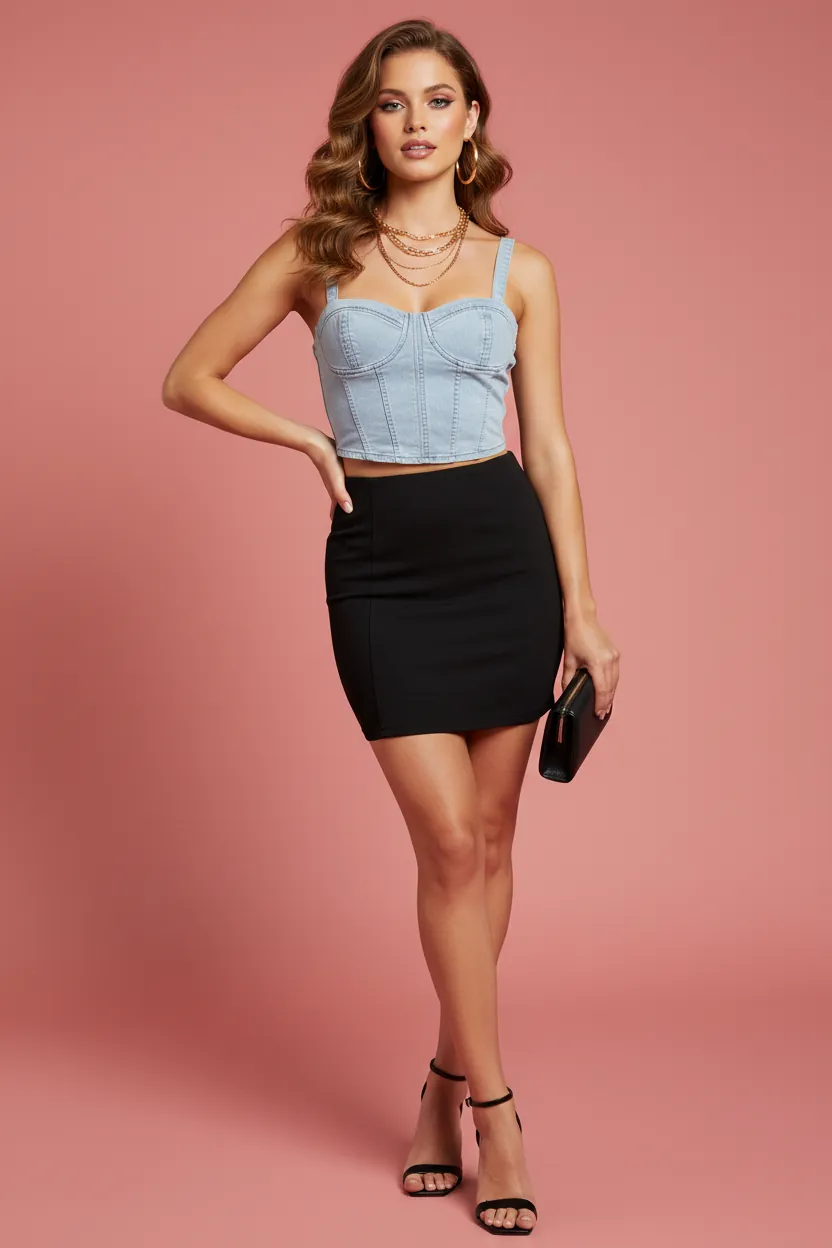
A sweater vest worn as a top is less complicated than it sounds. The fit should feel secure across the chest and armholes, and the fabric should be comfortable enough for bare skin. From there, high-rise denim, trousers, or a skirt give the look balance. A shorter vest and higher waist create a clean line without needing another layer.
Keep the accessories edited. A strong bag, hoop earrings, or a belt can be enough. If the knit has a bold pattern, skip the busy necklace and let the neckline stay open. If the vest is plain, one memorable shoe or textured bag adds personality without overloading the outfit.
5. Make an oversized vest feel deliberate
An oversized sweater vest is not a problem to solve. It just needs a little contrast. Wear it over a close-fitting long-sleeve tee, sheer layer, or button-down and pair it with straight jeans, leggings, a mini, or a narrow trouser. Let the vest stay relaxed while the rest of the look supplies the shape.
Try a small front tuck before you give up on it. The goal is not a perfect tuck. It is a hint of waist so the vest looks styled instead of dropped over the outfit at the last second. If tucking distorts the knit, leave it loose and use a short jacket or structured bag to create a stronger outline instead.
6. Use texture to make simple colors interesting
A sweater vest gives you an easy way to mix textures without piling on layers. Cable knit with smooth denim. Fuzzy yarn with a crisp cotton shirt. A fine-gauge vest with leather-look shorts or a utility skirt. When the materials contrast, even a mostly neutral outfit has depth.
Choose one texture as the focal point. If the vest is thick and tactile, make the rest of the pieces cleaner. If the vest is a fine knit, it can handle a more textured bottom or jacket. That simple decision keeps the outfit from feeling busy while still making it look considered.
7. Build a formula you can repeat
The best sweater-vest outfit is the one you can recreate with different pieces. Once you find a proportion you love, treat it like a template instead of starting over every time. That is how a special thrifted find or one-of-one piece becomes part of your actual wardrobe.
- Easy weekend: sweater vest + fitted tee + straight denim + sneaker.
- Polished plans: sweater vest + button-down + trouser or mini + loafer or boot.
- Warm-weather edge: sweater vest worn solo + high-rise skirt or denim + simple sandal.
- Layered cool: oversized vest + fitted long sleeve + defined bottom + structured bag.
Use color as the final edit. If your vest is bold, repeat one shade from it in your shoe, bag, or bottom and keep everything else quiet. If it is neutral, add one richer tone, such as wine, olive, denim blue, or mustard. A limited palette makes the outfit feel designed before anyone notices the individual pieces.
Use the neckline to set the tone
The neckline under your vest changes the whole read of the outfit. A crewneck tee feels casual and direct. A button-down adds polish and a little prep. A mock neck makes the shape cleaner for cooler weather, while a tank or bare shoulder makes the same knit feel lighter. There is no single right answer, but the layers should not compete for attention.
Start by looking at the vest’s opening. A deep V-neck leaves room for a collar, a pendant, or a higher-neck layer. A close crewneck usually looks best over something minimal. If both the vest and underlayer have strong texture, pattern, or large collars, simplify one of them. The outfit should still look good when you take your jacket off.
Choose shoes by balancing the weight
A soft knit can look unexpectedly sharp next to the right shoe. Loafers give a classic vest more structure. A slim sneaker makes it relaxed. An ankle boot can add edge to a mini or soften a polished trouser. The trick is to match the visual weight. A chunky vest and delicate shoe can work when there is a short hem or bare ankle between them, but a long, heavy top and heavy boot often need a cleaner bottom to avoid feeling bulky.
When you are unsure, try the outfit with two shoes before you decide it is not working. The same vest and denim can go from overly sweet to effortlessly cool with a low-profile sneaker or a pointed boot. That is a much faster fix than buying another layer, and it helps you get more mileage from the pieces you already own.
Make it work across seasons
A sweater vest is a layering piece, so let the weather decide the rest. In early fall or spring, wear it over a fitted tee with denim and leave the arms bare. When the air turns cooler, swap in a button-down, long-sleeve tee, or thin mock neck. In winter, the vest becomes an insulating middle layer under a coat, especially useful when you want warmth without the bulk of another full sweater.
Fabric matters too. A fine cotton or lighter knit works best when the day still has warmth. A thicker, fuzzy, or cable knit has more presence and feels right with boots, darker denim, or a jacket. If the day changes temperature quickly, use the vest as the removable layer and keep the base simple enough to stand on its own.
Fix the three most common sweater-vest problems
It feels too preppy: swap the pleated skirt or loafers for straight denim, a utility mini, a boot, or a more relaxed bag. It feels bulky: choose a thinner underlayer, show the waist, or move to a straighter bottom. It feels unfinished: add one deliberate finish, such as a belt, structured bag, sleeve roll, or shoe with some personality. You do not need all four.
Most sweater-vest outfits go wrong because every element is trying to make the same point. If the vest is playful, the bottom can be calm. If the shirt is crisp, the shoe can be easy. If the skirt is bold, the accessories can stay quiet. Give each piece a job and the final look will feel much more like personal style than a costume.
Let the sweater vest earn its place
A good sweater vest does not need a special occasion. It needs a supporting cast that gives it contrast and lets you move through your day. Try it with the jeans you already trust, a crisp shirt you wear on repeat, or a skirt that could use a little texture. Then make one adjustment: show some ankle, change the shoe, add a belt, or take off the extra accessory.
Strut and Style Boutique is built for this kind of styling. Browse the pre-loved edit for one-of-one pieces with a little history, explore tops for easy layers, or shop curated bundles when you want a look with the guesswork already handled. For more outfit-building ideas, read How to Style Vintage Clothing for a Modern Look.
Questions, answered
What do women wear under a sweater vest?
A fitted tee, crisp button-down, slim mock neck, or simple tank all work well. Pick the underlayer based on the amount of shape and coverage you want, then keep its neckline clean enough that the vest still feels like the lead piece.
Can I wear a sweater vest by itself?
Yes. A sweater vest can work on its own when the fit feels secure and the fabric is comfortable against skin. Pair it with a higher-rise bottom and a simple layer nearby, such as a jacket or overshirt, when you want more coverage or dimension.
How should an oversized sweater vest fit?
It should feel relaxed through the body without swallowing the rest of the outfit. Let it hang straight or use a small front tuck, then add a more defined bottom, visible waistline, or streamlined shoe to give the silhouette a clear finish.
Are sweater vests only for fall?
Not at all. A lightweight knit over a tee works through spring, while a vest over a button-down or thin turtleneck adds useful warmth in cooler months. The base layer and fabric weight decide the season, not the vest itself.